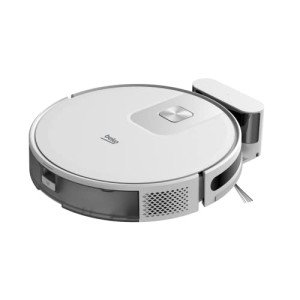
Which Robot Vacuum Cleaner Should You Choose? A Comprehensive Guide
In today's busy world, convenience and efficiency are necessary, and robotic vacuum have become a popular option for keeping homes clean without the hassle of manual vacuuming. With a wide variety of models available, choosing the right robot vacuum cleaner can be overwhelming. This short article aims to supply comprehensive insights into what to consider when selecting a robot vacuum, its features, and some frequently asked questions.
Key Features to Consider
When examining different robot vacuum, several crucial features can help in making an informed choice. Below are some necessary elements to think about:
1. Suction Power
- The suction power is critical for getting dirt and particles effectively. Try to find designs with adjustable suction settings for various floor types.
2. Navigation Technology
- Advanced designs utilize laser mapping and electronic cameras, enabling them to browse efficiently around barriers and map out spaces for targeted cleaning.
3. Battery Life
- Think about for how long the vacuum can run on a single charge. A longer battery life makes sure more substantial cleaning sessions before needing to charge.
4. Size and Design
- A compact style enables the robot to clean under furniture and in hard-to-reach areas. Examine dimensions to ensure it suits your home design.
5. Dustbin Capacity
- Bigger dustbins require less regular emptying. Examine just how robot vacuum cleaner with mop can hold before needing to be emptied.
6. Smart Features
- Connectivity choices, such as Wi-Fi and app control, permit remote scheduling and tracking. Voice control capabilities through assistants like Alexa or Google Assistant can likewise improve usability.
7. Cost
- Robot vacuums range from budget-friendly to high-end models, so consider your cleaning needs and budget plan when deciding.
8. Client Reviews and Warranty
- Research user feedback to understand the strengths and weaknesses of each design. A solid service warranty can provide assurance about your purchase.
Comparisons of Popular Robot Vacuum Cleaners
To help in comprehending the choices offered, here are some popular robot vacuum and their functions in the type of a contrast table:
| Model | Suction Power | Battery Life | Navigation Technology | Smart Features | Cost Range |
|---|---|---|---|---|---|
| iRobot Roomba i7+ | High | Approximately 75 min | Smart mapping | App control, voice control | ₤ 600 - ₤ 800 |
| Neato Botvac D7 | Medium | As much as 120 min | Laser-guided | App control, No-Go Lines | ₤ 600 - ₤ 700 |
| Roborock S7 | Very High | Up to 180 min | LiDAR Navigation | App control, mop function | ₤ 500 - ₤ 650 |
| Eufy RoboVac 11S | Low | Up to 100 minutes | Random navigation | Push-button control | ₤ 250 - ₤ 300 |
| Ecovacs Deebot Ozmo T8 | Medium | Approximately 180 minutes | Smart mapping | App control, voice control | ₤ 600 - ₤ 750 |
Cost varieties and functions are subject to alter, so it's suggested to inspect the current requirements before making a purchase.
Benefits and drawbacks of Robot Vacuum Cleaners
Pros
- Time-Saving: Robot vacuum cleaners can automate day-to-day cleaning tasks, maximizing time for other activities.
- Convenience: Many models can be managed through apps, allowing users to set up cleaning on-the-go.
- Consistency: Regular cleaning sessions can avoid the buildup of dirt and irritants in a home.
- Ease of access: Robot vacuums can reach areas that standard designs frequently can not, such as under furniture.
Cons
- Minimal Capacity: Most robot vacuums have a smaller sized dustbin compared to traditional vacuum cleaners, requiring regular emptying.
- Cost: High-end designs can be costly, and budget models may do not have necessary functions.
- Surface Limitations: Some robot vacuums might deal with particular surfaces, such as high-pile carpets.
- Maintenance: Brushes and filters require regular cleaning and replacement to keep optimum efficiency.
Often Asked Questions (FAQs)
Q1: How do robot vacuum work?Robot vacuums are geared up with sensing units and brushes that help them browse a room while gathering dirt and particles. Their intelligent mapping technology allows them to develop a layout of the home, enabling effective cleaning patterns.
Q2: Can robot vacuums tidy multiple surfaces?Yes, most robot vacuum cleaners are designed to deal with a range of surfaces, consisting of wood, tile, and low to medium-pile carpets. Nevertheless, some may be less efficient on high-pile carpets.
Q3: How frequently should I run my robot vacuum?It's usually suggested to run a robot vacuum a minimum of once a week. Nevertheless, households with animals or big quantities of foot traffic may take advantage of everyday cleaning.
Q4: Are robot vacuums worth the investment?If time and benefit are high top priorities, a robot vacuum can be a rewarding investment. It automates a necessary chore, enabling house owners to focus on other tasks.
Q5: How much sound do robot vacuum make?Many robot vacuums operate at a noise level comparable to conventional vacuums but might vary by design. Research user examines for noise levels if this is an issue.
Picking the best robot vacuum cleaner requires careful consideration of multiple elements, including suction power, navigation innovation, and unique features. By weighing advantages and disadvantages while comparing popular models, consumers can find the very best fit for their cleaning needs. As robot vacuum innovation continues to develop, their capabilities and price are likely to enhance, making them an important addition to the modern-day family.